
Tecar therapy is part of the articulated set of treatments that can be prepared to take charge of a difficult and complex problem such as vulvodinia. Dr. Cinzia Pajoncini, a gynecologist in Rome, confirms. “This is an innovative intervention that is effective in addressing all those multifactorial conditions affecting the pelvic area, responsible for persistent pain and linked to a complex articulation of inflammatory, muscular, neurological and psychological issues
Tecar therapy: what it is all about
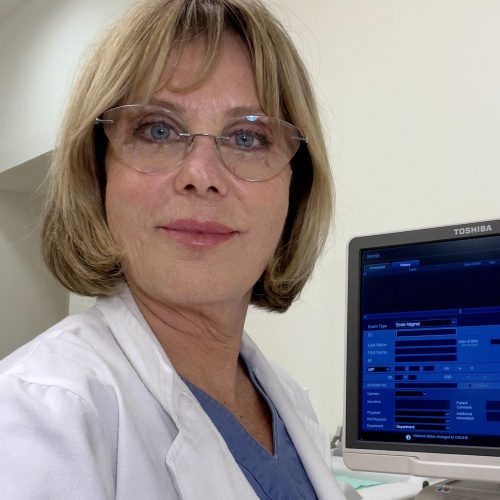
Why it works in cases of vulvodinia
“In a chronic pain condition, with burning, difficulty with intercourse, and serious impairment of quality of life, tecar therapy represents a therapeutic option of definite effectiveness,” comments Dr. Pajoncini. These are its strengths
- reduces pain: the analgesic effect of heat acts on pelvic nerve sensitization, reducing it and significantly alleviating painful sensations.
- improves blood and lymphcirculation: promotes the supply of oxygen and nutrients to pelvic tissues, accelerating the healing processes. It also stimulates drainage.
- relaxes muscles: intervenes on contractures and hypertonus of the pelvic floor, two situations often associated with chronic pain. In addition, it improves tissue elasticity that is restricted by chronic pain, causing, in a vicious cycle, further pain.
- acts on inflammation: this is one of the factors contributing to the persistence and aggravation of pain. Reducing inflammation and promoting natural healing processes is another step toward significantly alleviating chronic pain symptoms.
- regenerates tissue: heat promotes the repair of damaged and inflamed tissue, contributing to faster functional recovery. plus
The plusses of tecar therapy
In addition to efficacy, a basic element in evaluating a therapy in any case, tecar therapy boasts other pluses. “First of all, it is noninvasive and the sessions are completely painless, thus suitable even for the most sensitive women,” explains the expert. During the session, a pleasant sensation of heat is perceived, which from being more vivid in the first phase of treatment in capacitive mode becomes less intense in resistive mode since the energy is concentrated in the deeper, less water-rich tissues.
Another advantage of tecartherapy is its rapidity of action: many women report relief from the very first sessions even though maximum benefits are obtained with a full cycle of 10-12 sessions
Also in combination
“Among the strengths of tecar therapy is the fact that it can be combined with other therapies in a multidisciplinary approach that is effective in dealing with a complex picture such as vulvodinia,” the gynecologist continues.
The combination that proves to be particularly suitable for pain reduction turns out to be the one in which tecartherapy works synergistically with pelvic floor physiotherapy. “Tecartherapy prepares the tissues, reducing pain and inflammation, relaxing and warming the muscles so as to make physiotherapy more tolerable and effective even for women with severe pain symptoms. At the same time, the manipulations work directly on the tension points of the pelvic floor muscles, relaxing them and improving their function, consolidating the benefits obtained.” The two therapies, used at the same time during the course of treatment, thus complement each other leading to a significant reduction in pain after just a few sessions, the acquisition of greater awareness of one’s body, a recovery of sexual function and a marked improvement in quality of life
How a session takes place
“To deal with vulvodinia it is always necessary to prepare a personalized protocol,” comments Dr. Pajoncini. “Based on the severity of the picture and the presence of related symptoms, we evaluate the number of sessions of tecartherapy associated with fisioterapia del pavimento pelvico necessary to achieve a reduction in pain, first of all, and over time an improvement in the general picture.” Each therapeutic session, which lasts an average of 40 to 50 minutes, is divided into three phases:1) tecartherapy: it starts with capacitive mode to increase vascularization in the vulvar area, accelerating the healing processes and reducing tissue inflammation. It continues with resistive mode using an endovaginal probe, which produces the endogenous heat needed to relax the deep fascial and muscular planes. This is a key step that prepares the muscle and connective tissues for subsequent manual applications and the performance of active exercises, making the treatment more effective.2) perineal manipulations and tecartherapy: next, manual intervention is performed to release contractures and relieve deep muscle tension by manipulating tender and trigger points, while continuing to treat the vulvar area with the capacitive electrode at the same time.
3) Re-education exercises: throughout the session, active exercises are illustrated that serve to re-educate the pelvic floor through diaphragmatic breathing, for example, and the correct perineal command of contraction and relaxation. For them to give benefit, it is essential that the sessions are guided by experienced personnel who can also assess any contraindications to tecartherapy such as the presence of acute infections or ongoing oncological conditions. In addition, tecar therapy is not suitable for wearers of pacemakers and other electronic devices as well as expectant mothers.